

Collecting has risen in popularity tremendously in recent years, and it is now one of the most beloved hobbies that people choose to immerse themselves in. Although collecting seems like a practice especially suitable for the times in which we are currently living, this practice actually originates from many centuries ago. By examining ancient civilisations, we might be surprised to find that they were also fond of collecting. Of course, things differ from what we know about collecting, but the principle was the same: to add interesting objects to our collection.
The most significant result of collecting is the creation of museums, where visitors can view interesting objects that museums have acquired and preserved over the years. Now, people worldwide refer to themselves as collectors, and they periodically seek out new, unique objects to add to their collections. Many reasons drive this passion, and among the most important ones are finding joy in the practice, experiencing nostalgic feelings, or viewing this activity as an investment.
Additionally, many brands are now focusing on collecting, and Funko is a great example of this, offering people the opportunity to add figurines of various characters to their collection. In this article, we will travel through time and discover how collecting has evolved over the years.
When did collecting start?
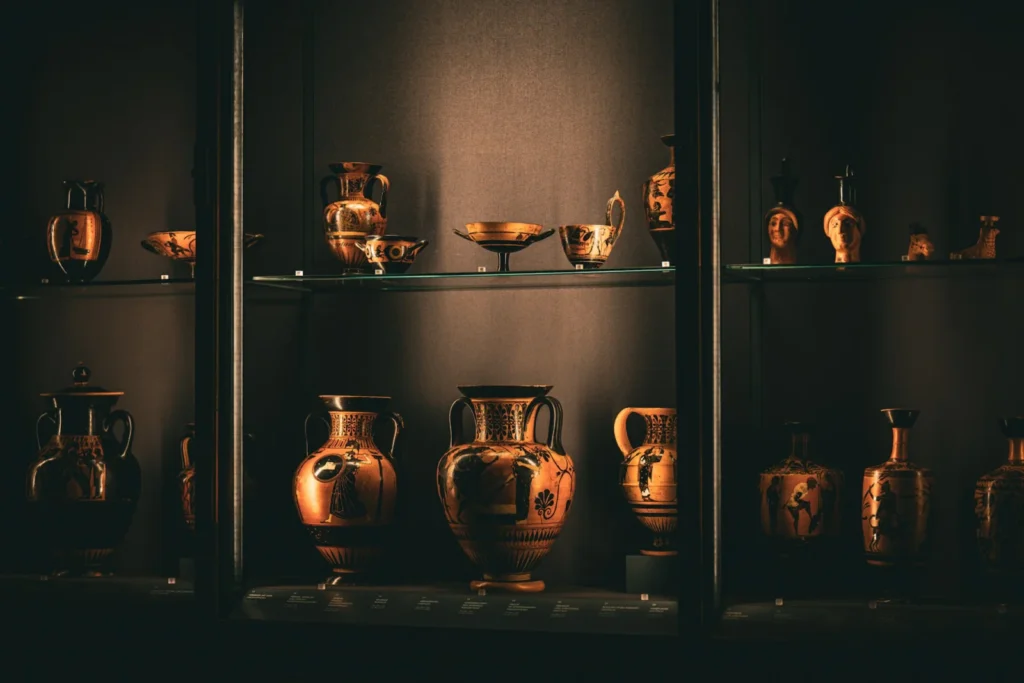
Collecting is a practice that dates back several years and can be traced to the ancient civilizations of Babylonia, Egypt, India, and China. The people from these cultures began collecting artifacts as an art form and placing them in tombs, temples, and other sanctuaries. The purposes of displaying these objects were diverse, and in most cases, they served to represent the glory of a specific time and ruler.
The Greek works were very common among avid collectors, and they began to be sought-after items, with many people wanting to acquire them. Then, in the Roman Empire, collecting became an art form, allowing people to immerse themselves in their hobby with the help of art markets.
The evolution of collecting over the years
Over the years, collecting continued to evolve. For instance, during the Italian Renaissance, art collecting began to be theorized, and it was also the time when museums originated. Artists were also more respected during this period, which made them create more pieces that could later be collected by individuals worldwide.
Of course, not all people had the money to start collecting, which is why reputable names are recognized as the collectors of their time. Among them, we can mention the Montefeltros of Urbino, Medicis of Florence, the Estes in Ferrara, and the Gonzagas of Mantua. They managed to create a diverse collection of objects, including fantastic decorations and antique sculptures.
The rise of museums
Museums gained significant popularity during the 18th and 19th centuries. In these times, people could admire fascinating objects, and through these objects, they could learn more about past civilizations and their places. During this time, many important museums were created, and some of them include the Louvre (1793), the Capitoline (1734), and the National Gallery (1824).
Nowadays, museums worldwide boast an impressive collection of items, and they have also undergone significant evolution over the years. Initially, museums were primarily cabinets of curiosities, and access to them was largely restricted to wealthy individuals. Then, museums began to serve the general public, allowing anyone to gain a better understanding of past times and how much things have evolved.
A glimpse at how collecting looks now
Nowadays, collecting is a personal expression, and it is no longer viewed with a scientific purpose. There are many top things that people enjoy adding to their collections right now, and stamps remain at the top of people’s desires. Collecting stamps offers people a glimpse into the past, which is why many love collecting them.
Of course, any individual can collect what they enjoy the most, and they have endless possibilities in this regard. Additionally, many brands offering collectible items have begun to launch them. The Funko shop for Europe is one of them, which has humble beginnings. However, now this brand has received universal exposure, and it creates amazing collectibles that people simply adore.
What drives people to collect?
Collecting is a hobby enjoyed by many people from all over the world, and there are many reasons why they enjoy it. The thrill of the hunt is a top reason that makes them enjoy collecting. Embarking on a fantastic adventure to discover unique things is always thrilling, and you never know what you will come home with. This adds an aura of mystery, which makes even more people enjoy hunting for unique findings.
There are many places where people can enjoy this thrill of the hunt, and the antique shops are among the most common examples of this kind. Auction events and online marketplaces follow them. Collecting also brings a high dose of nostalgia, making people remember the good old times. For instance, many enjoy collecting toys they owned in their childhood. And by adding them to their collection of adults, they can feel closer to the kids they once were.
Collecting is a very popular hobby, which is why being interested in it can also make people feel like they are part of a community. The members of this community can join online forums and groups to discuss the perks and share information on where to find amazing items, as well as other relevant topics. They cannot display their entire collections, but they can share a part of them with other collecting enthusiasts. In this way, they can make new friends and discover incredible stories. This can only enhance their collecting experience and encourage them to continue this hobby. Collecting also has investment potential, which is an important consideration.
Last remarks
Collecting is an amazing hobby, and it is impressive to see how this practice has evolved over the years. Additionally, the origins of collecting date back a long time, and this activity has been preserved until the present day. Collecting has been passed down through several generations and will undoubtedly remain popular in the future.