

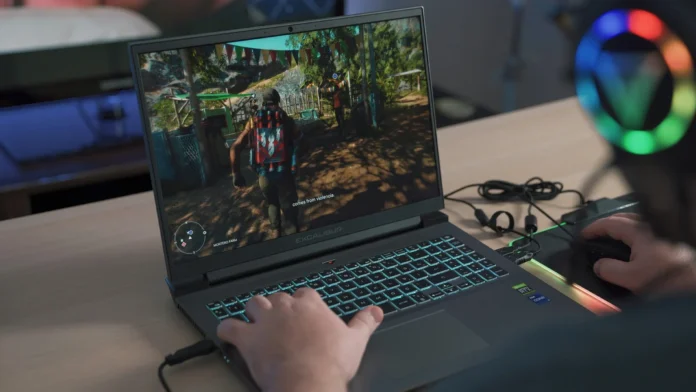
Online gaming has become really popular due to better internet access in many parts of the world and the growing number of games available. Ireland is one such country, as research shows that 77% of adults take part in some form of online gaming.
The country has also become a good destination for gamers to explore their love for gaming, as it deep-seated gaming culture. They also have dynamic regulations guiding online gaming, which is important for every gamer to know and follow while in the country.
Video Games and Casino Platforms
Ireland’s gaming space is split between traditional video games and gambling platforms/casino sites. Video games cover everything from PC shooters to console sports titles and mobile apps. Online casinos deal with poker rooms, roulette, and other chance-based games.
When players use online casinos, they need to be careful because real money is involved. The best approach is to choose one of the top Irish casino sites, which follow safety and fairness rules. By starting with a reliable, regulated casino, players can enjoy online games with confidence and peace of mind.
The Rules Around Gaming in Ireland
Irish law handles video games and gambling separately. Video games are guided by European PEGI ratings, which give age labels and content warnings. Gambling law has been slower to keep up with online activity. For decades, Ireland relied on older legislation that did not fully cover web-based play.
This is changing. In 2022, B114 was put forward to create a regulator to oversee licensing, marketing, and player protection. And two years later, it was passed into law as the Gambling Regulation Act 2024. For casino players, this means clearer rights and protection. For operators, this means stricter obligations.
Video game players are less affected by this bill, though debate around loot boxes and in-game spending continues.
Staying Safe
Gamers should take their security seriously and avoid leaving it to chance. Hacked accounts, phishing links, and fake bonus offers remain common. Following simple steps like using a unique password, enabling two-factor authentication logins, and carefully sharing details can help gamers keep their accounts safe.
It also helps to check whether a gaming or casino platform is licensed before signing up. A licensed site follows certain rules, while unlicensed platforms may disappear overnight or refuse payouts. Payment security is another factor. Sticking to trusted options like debit cards, PayPal, or other verified services reduces the risk of fraud. Players should also watch out for deals that look too good to be true, as these are often set up to trick new users.
Internet Access in Ireland
A good internet connection is needed if you want to enjoy your online gaming experience. In Ireland, broadband has improved in recent years, but some rural areas still do not have strong service. For people who play competitive video games, a weak connection can cause delays. Casino games with live dealers also need a steady internet connection so they don’t cut out in the middle of play.
Mobile internet is becoming more common, too. Many players now use 4G or 5G on their phones for gaming. This works well when broadband is slow, but the strength of the signal depends on where you are. It is always better to check your coverage before starting a long gaming session, so you don’t run into sudden breaks.
Paying for Games and Services
Funding is introduced into gaming in several ways. Players buy full titles, subscribe to platforms, or make smaller in-game purchases. Casino users deposit funds for betting and withdraw winnings. In Ireland, common payment methods include debit cards, PayPal, and Revolut. Some sites accept cryptocurrency. This has even led to a niche in online casinos. Crypto casinos generated a revenue of over $81 billion (€69.26 billion) in 2024. And they are accessible from anywhere in Ireland. ($1 ≈ €0.86)
Microtransactions are also common in video games. These small purchases, like extra costumes, maps, or coins, may look minor but add up over time. Casino bets work the same way when players keep placing small wagers. Setting personal limits makes it easier to stay in control.
Gaming Communities
Gaming is also about people. Ireland has a lively mix of esports tournaments, university groups, and casual meetups. Online spaces such as Discord bring players together for advice, organising matches, or simple social chat.
Casino players form different types of communities, often focused on sharing strategies or comparing experiences with various platforms. Although many of these groups are global, Irish players are steadily building a stronger presence.
The Numbers Behind Online Gaming in Ireland
Surveys paint a clear picture of how big the gaming industry is in Ireland. Recent findings show that almost half of Irish adults take part in some form of online gaming every year. This figure shows how common casino gaming has become, even if only for casual use. It also explains why the establishment of the Gambling Act is timely, because as more people take part in online gambling, the need for protection and fair rules grows stronger.
Responsible Gaming
Healthy limits keep gaming positive. Setting fixed budgets prevents overspending on casino sites, while fixed hours stop video games from cutting into work or sleep. Most platforms include tools to support these habits, from time reminders to self-exclusion systems.
Irish support services are available for anyone who needs them. Guidance at an early stage can help players avoid bigger problems later.
The Future of Gaming in Ireland
Looking ahead, several changes stand out. The new regulator, the Gambling Regulatory Authority of Ireland (GRAI), is tightening rules on casino sites. Better broadband and mobile networks will make games run faster and smoother. This also means more chances to try cloud gaming, where you play without needing to download large files. Esports will keep growing in popularity as well, and casino sites will adjust to new rules and new technology.
One trend already making waves is virtual reality. VR casinos are starting to appear in Ireland, and places like Cork City are positioning themselves as digital gaming hubs.
Conclusion
Gaming in Ireland spans two strong branches: video games and casino platforms. Both are expanding quickly. The challenge for players is not access; there are plenty of games out there. Awareness is the real issue. Knowing the rules, checking safety, watching spending, and setting limits makes the difference between a smooth experience and a risky one.
With the right approach, online play stays enjoyable and continues to grow as part of modern Irish culture.