

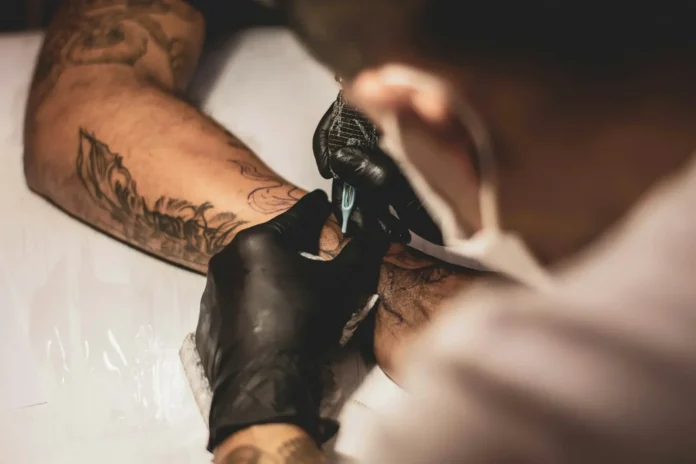
It’s estimated that around a third of all adults in Ireland have at least one tattoo on their skin. With inking being so popular, you’d think the legislation around tattoo studios would be tight. Not quite. Ireland regulates tattooing far more lightly than most people assume, leaving much of the responsibility with the person in the chair.
No licence, no register, no dedicated law
Ireland has no specific legislation covering tattooing. This means that you don’t need a licence to open a studio, operators don’t have to register anywhere and the Department of Health has previously said there are no plans to introduce regulation either.
Tattoo studios are treated like any other business: while the general health and safety law applies (duty to take reasonable precautions for the safety of people on the premises), there’s little else. Even the infection control guidelines, drafted with the HSE (Health Service Executive), are essentially voluntary. There’s also no legal minimum age for getting a tattoo in Ireland, although many studios set their own rules.
Why the gap in regulation matters
Tattooing breaks the skin and poorly sterilised equipment can carry bloodborne viruses such as hepatitis B, hepatitis C or HIV. On top of that, there’s risks of allergic reactions or scarring from low quality ink or poor technique.
Despite the well-known risks, only four tattoo and piercing parlours have been inspected by health authorities in the past decade, according to the Irish Times. That’s because the HSE uses a reactive rather than preventative approach – only investigating once a notifiable disease has been linked to a particular studio.
How to choose a tattoo studio in Cork
With no official stamp of approval, how do you know which tattoo studio to go for? There are a few telltale signs that can help you choose wisely.
First of all, visiting the studio in-person before booking an appointment is always a good idea. You can look around the room and what the equipment looks like. Does the environment look clean and sanitised, including all countertops, tables, armrests and workspaces? Are the artists wearing disposable gloves and unpacking single-use, pre-santised needles from sealed packages?
Don’t be afraid to also ask questions, such as:
- Where do your inks come from? Are they EU-compliant?
- Are the artists vaccinated against hepatitis B (which is advised by the Department of Health)?
- How does the studio maintain their hygiene and sterilisation standards? Which protocols are they following?
- What is their policy around age and consent (most reputable parlours will usually not tattoo anyone below the age of 16 without parent consent)?
If anyone is being vague, be wary of them. A tattoo studio that cares about ensuring high quality and safety standards will be more than happy to answer all of your questions and put your mind at ease. Even further, you should be able to find this information on their website.
For example, SmileyDogg, which runs two studios, is amongst the leading tattoo studios in Cork. Its website clearly describes the process of getting a tattoo, from the initial consultation to aftercare, as well as states their commitment to strict hygiene and sterilisation protocols.
Better safe than sorry
While the vast majority of tattoo artists in Ireland follow the hygiene protocols and safety guidelines, making the risks relatively low, the responsibility to understand them and take the right precautions still falls with the customer. And, when it comes to your body and health, it’s always better to err on the safe side by doing your own checks.