

Five pilot sites have been selected by Ballyhoura Development across the region to take part in the PolliConnect Living Lab, which will demonstrate how innovative mowing techniques can support wildflowers and improve habitats for pollinators.
The Living Lab approach allows practical testing of biodiversity-friendly land management in real community and business settings. At each site, Ballyhoura Development staff will introduce modified mowing regimes designed to increase flowering plants, providing essential food sources and shelter for pollinating insects.
This phase of the project aims to raise awareness locally while generating practical learning that can be shared across the region.
SUPPORTING BIODIVERSITY
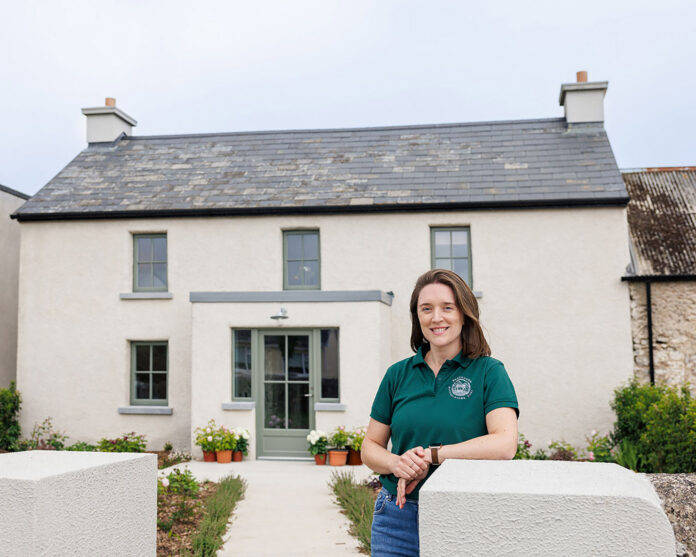
The pilot site locations include at the grounds of regenerative tourism business, Barnahown, located at the foothills of the Galtee Mountains near Mitchelstown, which will test how different mowing approaches impact an existing wildflower meadow.
“We have been working to understand how native and pollinator-friendly planting can support biodiversity at Barnahown,” Ciara O’Brien of Barnahown said. “Being part of PolliConnect will help us learn how management techniques influence our meadow habitat.”
Other pilot sites include the Community School Field in Ballyorgan, located adjacent to the local preschool and managed by the Ballyorgan Community Group, providing an opportunity to integrate biodiversity awareness with community and educational settings;
At Slí Eile Farm in Burton Park, Churchtown, which promotes mental health recovery and operates an on-farm organic horticulture social enterprise. Participation in the Living Lab will support habitat enhancement while aligning with the organisation’s community-focused ethos;
Part of the grounds of Castleoaks Hotel in Castleconnell will be managed by Ballyhoura Development staff as part of the project. Pollinator monitoring will be supported by volunteers from Castleconnell TidyTowns, incorporating a citizen science element into the site;
The final pilot site is at the grounds of the Parochial House in Granagh, Co. Limerick, currently managed by volunteers from Granagh TidyTowns. Here, the PolliConnect Living Lab will explore how novel mowing techniques can further enhance this habitat at the established wildflower meadow.
About PolliConnect
PolliConnect is a €7.1 million European project working to halt the decline of wild pollinators across North-West Europe. The initiative is co-funded by the European Regional Development Fund through the Interreg North-West Europe Programme and runs from 2025 to 2029.
The project brings together 14 partners across six countries to restore pollinator habitats through practical land management, technology, Living Labs and citizen science, with Ballyhoura Development CLG responsible for delivering activities across the Ballyhoura region.
NEXT PHASE
PolliConnect has several aims: to increase pollinator biodiversity indicators by 20% in pilot areas; to establish and test seven Living Labs across five countries; to develop innovative tools, including AI-powered wild bee monitoring; to support communities, landowners and local authorities with practical guidance; as well as providing data and best practice to inform public policy.
The next phase of the project will provide opportunities for community members to learn more about pollinators, take part in citizen science monitoring, and to contribute to tracking the impact of new mowing methods.
This engagement will help strengthen local awareness of biodiversity, while gathering valuable data to inform future land management practices.