

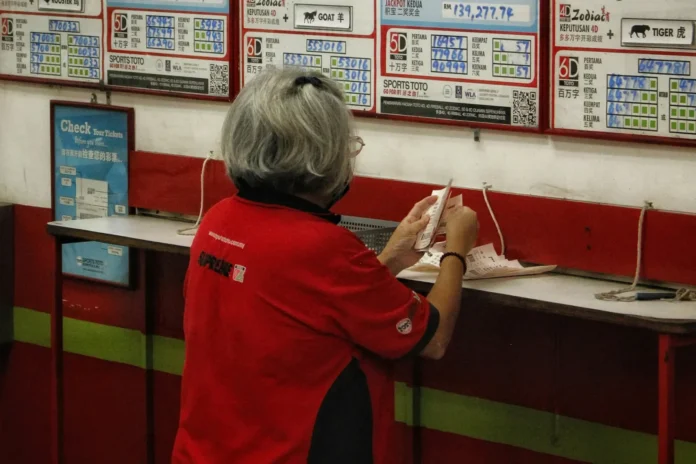
Ireland has a long and storied relationship with sports and wagering. From the historic horse racing meetings at the Curragh to the roaring crowds at Croke Park for Gaelic games, the spirit of competition is woven into the fabric of Irish culture. Over the last few decades, this tradition has seamlessly migrated from the high-street betting shop to the digital arena, transforming how fans interact with their favourite sports.
Today, sports betting in Ireland stands as a sophisticated, regulated, and highly popular form of entertainment, often highlighted across regional publications like The Avondhu.
A Cultural Tradition
In Ireland, betting is often viewed through the lens of community and expertise. Historically, the local bookmaker—often a familiar face in the village or town—served as the hub for pre-match analysis and post-match debate. Whether it was the Grand National, the All-Ireland Senior Football Championship, or a pivotal rugby international, local sentiment captured by outlets such as The Avondhu News showed that the act of placing a wager was seen as a way to enhance the thrill of the game.
This cultural familiarity has smoothed the transition to online platforms. Irish punters are famously knowledgeable about their sports, particularly horse racing and field sports. This deep understanding of form, tactics, and player conditions provides a unique foundation for the betting market in Ireland, which remains one of the most engaged in Europe.
The Digital Transformation
The shift toward online platforms has fundamentally changed the landscape. Modern technology has replaced paper slips with intuitive mobile apps, allowing fans to place bets from the comfort of their homes or even live from the stands.
The rise of mobile betting has introduced several key features that enhance the user experience:
- In-Play Wagering: Perhaps the most significant change is the ability to bet while a match is in progress. Whether it is predicting the next goalscorer in the Premier League or the next point in a rugby match, in-play betting adds a layer of intensity to live viewing.
- Live Streaming: Many platforms now integrate live streaming directly into their apps, allowing users to watch the action unfold while tracking their wagers.
- Enhanced Statistics: Modern digital platforms provide a wealth of data, helping users make informed decisions based on historical performance, injuries, and tactical trends.
The Regulatory Framework
A crucial element of the Irish sports betting success story is its robust regulatory framework. The Irish government has taken proactive steps to ensure that the industry remains fair, transparent, and safe for consumers.
The Gambling Control Act and subsequent updates are designed to promote responsible gambling. Licensed operators in Ireland must adhere to strict guidelines regarding age verification, advertising standards, and the protection of vulnerable individuals. For the consumer, this regulation offers peace of mind. By choosing licensed, reputable platforms, users are protected by clear legal frameworks, secure payment processing, and industry-standard data encryption.
Responsible Gambling: The Priority
As the accessibility of sports betting increases, so too does the importance of responsible gaming. Industry leaders, health advocates, and regulators in Ireland have collaborated to implement robust responsible gambling tools.
Most reputable platforms now offer features such as deposit limits, self-exclusion periods, and time-out functions. These tools empower users to maintain control over their betting activities. Education is also a primary focus, with widespread campaigns aimed at ensuring that betting is treated as a form of entertainment rather than a means of generating income. For the Irish punter, the message is clear: when the fun stops, stop.
The Future of the Industry
Looking ahead, the Irish sports betting market is poised for further innovation. Emerging technologies like artificial intelligence are being utilised to provide more personalised betting experiences, while advancements in real-time data processing continue to make in-play wagering faster and more reactive.
Furthermore, as the popularity of international sports—such as the NFL, American basketball, and global tennis tournaments—continues to grow within Ireland, local sporting coverage found on platforms like The Avondhu Sport highlights how the variety of betting markets available to fans is expanding rapidly.
Conclusion
Sports betting in Ireland is more than just a transaction; it is an extension of the Irish passion for sport itself. As the industry continues to evolve, it balances this deep-rooted tradition with cutting-edge technology and a firm commitment to regulation and responsibility. By prioritizing transparency and user safety, the Irish market remains a benchmark for how to balance the excitement of sport with the necessity of responsible entertainment. For those who choose to participate, the key remains the same as it has always been: staying informed, keeping it fun, and always playing responsibly.