
In many parts of Ireland, the racing season begins not on the racetrack but in quieter settings far removed from the throngs that eventually arrive and watch the first starters compete on the track. The roots of this are in the home kitchens, in humble settings around a table near a window, with newspapers spread out on the table next to mugs of tea, and talk flowing easily into discussions of horses, trainers, and impending meetings.
There is something deeply traditional about the way that talk about racing happens in these settings. There is no hurry in the talk. One person remembers a performance from the previous year; another remembers a young horse; and before you know it, you are talking about the festivals that are a long way off but always in the back of your mind. There is Cheltenham, Aintree, Punchestown, all those are always on the agenda.
For those who are deeply interested in the sport, this has always been part of the pleasure. The races may be over in a few minutes; the waiting has been going on for months. In farmhouse kitchens and town kitchens alike, talk about horses goes on into the winter nights as inevitably as talk about the weather or work.
It is in these early conversations that people begin studying form, recalling past results and quietly looking at the odds on ante post markets long before the runners are confirmed, not out of impatience but because the guessing and debating have always been part of the sport itself.
The Season Before the Season
In fact, horse racing often seems to dominate the imagination even before it is on the calendar again. This is true even in the cold winter months, when the main events are still a way off.
The National Hunt season is a time when people tend to think in these terms. There are always young horses coming along, announcements from trainers about what they are planning, and speculation about where certain horses will turn up next. For many people, these are as interesting as the racing.
It’s often thought that racing is one of those sports where the pre-event build-up is as good as the actual event. The time spent thinking about what could be on the cards is part of the tradition, adding a sense of continuity beyond the actual racing.
Those kitchen table conversations are not about certainty. They are about imagination, memory and the pleasure of trying to read the signs before anyone else does.
A Tradition Passed Down
In rural Ireland especially, racing talk has long been part of everyday life. The older generations talked of renowned horses in the same hushed tones that others speak of notable matches or events. The names are remembered, stories are told, and opinions are shared in the confidence that comes from having witnessed over time the development of this sport.
The younger generations absorbed this language of racing unconsciously. They are exposed to talk of ground, distances, and jockey bookings before they even place a bet or step into a racecourse.
This passing on of information is one of the things that keeps this sport alive. It doesn’t need media coverage or newspaper headlines. It thrives in talk, memory, and shared gatherings speculating on what is yet to be.
In this day of instant information through mobile phones and other digital media, some people still prefer to sit around the table and discuss the issue at hand.
The Pleasure of Guessing
One of the aspects of racing that makes it so popular is that it gives us a chance to form an opinion about what is going on. Unlike many sports, where you are concerned with what is happening in the present fixture, in racing, you are concerned with what may or may not happen weeks or even months in advance.
Who will be running at Cheltenham? Which horse will progress in the coming months? Which trainer will have a strategic advantage for the coming spring festivals?
These are the things that have been discussed in kitchens for generations, and on occasion, they are correct, although more often they are not. It is not these things that are important, however; it is the discussion of them.
There is a certain feeling of satisfaction in thinking back on a horse that you discussed months ago running in a major race, which everyone has been predicting for weeks. It is as if the season has come full circle.
More Than the Racecourse
For many followers, racing has never been only about the day at the track. It is about the rhythm of the year that surrounds it: discussions about winter, initial predictions, and the sense that the sport is always on the verge of beginning, even when no one is assembled.
The atmosphere of a racecourse crowd is unique, but the pauses have their own meaning: the drinking of tea, the crumpled newspaper on the table, and the discussion about whether or not the horse would survive the journey. It’s the bringing of people together that is really treasured.
They are not necessarily found in photographs, but they are as much a part of racing as the finishing line itself.
Why the Kitchen Table Still Matters
Modern racing offers more information than ever before. Statistics, interviews and previews are available at the touch of a screen. Yet for many people the real enjoyment still begins the old way.
It begins with conversation.
Sitting at the table in the kitchen, thinking about the upcoming season and wondering which names will be bandied about a number of months from now. The tradition has changed little over the years, and perhaps that is the reason it is so rewarding.
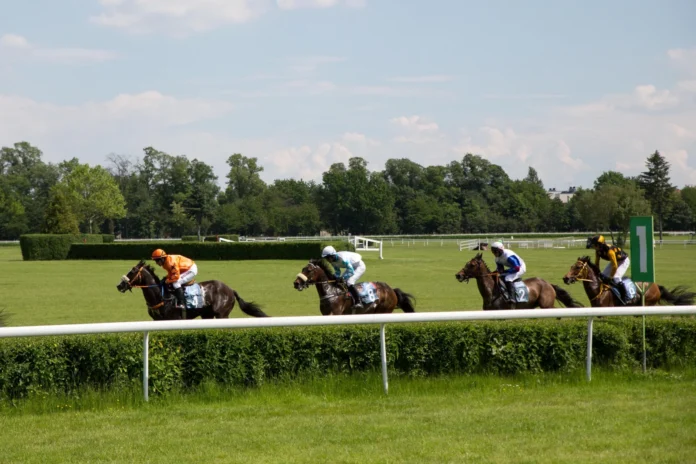
The racing year will always have its great days. The roar of the crowd, the drama of the finish, the celebrations afterwards. But long before any of that happens, the season has already begun somewhere quieter.
It has begun around a kitchen table, where the talk of horses never really stops.