

Doing proper due diligence before buying a used car is essential because, like your home, it’s one of the biggest purchases you’ll make. The risk of skipping the homework is that most buyers won’t discover a problem on the day they collect the keys. The car may seem fine, but weeks or months later a warning light can appear, or a mechanic may uncover previous damage during a service or inspection, leaving you with an unexpected repair bill and a clear reminder of why due diligence matters.
Buying a used car is different from other big purchases because you’re not just taking home what’s visible. You’re also inheriting the car’s history and taking on responsibility for the previous owner’s maintenance decisions (or often, neglect) of the key elements that keep it running safely and reliably.
Ireland’s used car market is both robust and well supplied. In 2025, the Society of the Irish Motor Industry (SIMI) recorded more than 71,800 imported used car registrations, alongside a substantial stock of domestic and refurbished vehicles already on the market. Buyers have a wider choice and often better value, but the increase in supply also means more vehicles are on the market with hidden histories that are important to verify through running a car check before buying.
Check the history before you arrange a viewing
It’s essential to remember that the information you can’t see is often more important than what you can. Once you’ve chosen a model that fits your lifestyle and you’ve evaluated the costs, the next step should be a vehicle history check. This can reveal previous write-offs, mileage discrepancies, import history, and (depending on the provider) outstanding finance. None of these issues is obvious during a walkaround inspection or a test drive, but each one can affect the vehicle’s value and long-term reliability.
Think of a history check as a filter rather than a formality. Spending a small amount on a report can save you a wasted journey, or help you avoid a car that could cost significantly more to put right later. The Competition and Consumer Protection Commission (CCPC) estimates that faulty used cars cost Irish consumers approximately €57 million in a single year through repairs and, in some cases, vehicles that turned out to have serious underlying issues. A vehicle history check helps ensure that the money you save by buying used stays with you, rather than going straight to your local mechanic. This is particularly important for imported vehicles, which may arrive in excellent physical condition but have histories that are difficult for buyers to verify.
What the physical inspection should tell you
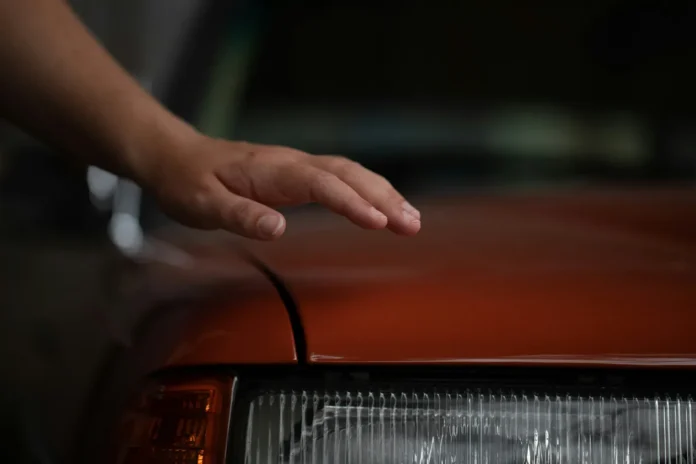
Once a vehicle passes the paperwork test, inspect the car itself. Start with the bodywork: uneven panel gaps, differences in paint finish, or mismatched colours may indicate a collision or another incident that required extensive paintwork. Under the bonnet, look for clues that point to wider issues, such as oil leaks, corrosion, damaged wiring, or evidence of recent repairs. These aren’t necessarily reasons to walk away, but they should prompt questions about the vehicle’s history and maintenance.
Ask the seller not to warm the engine before you arrive. A cold start can reveal noises, smoke, or warning lights that may disappear once the vehicle reaches operating temperature. While some sounds can be perfectly normal, anything persistent or unusual deserves closer attention. Finally, check the tyres. Uneven wear can indicate alignment, steering, or suspension problems, while a set of heavily worn tyres may suggest maintenance has been deferred elsewhere too.
The test drive and the numbers
It’s best to drive on a mix of roads: a short motorway run, town traffic, and one full emergency stop (in a safe place). If the car pulls under braking, suspect the brakes or suspension. If it hesitates under acceleration (petrol or diesel), get it inspected on a ramp before you commit.
Confirm the NCT expiry and motor tax status before negotiating. A short NCT is a legitimate price lever as repairs can run to several hundred euro depending on what fails. But a recent NCT pass does not guarantee the car is clean; the test does not cover finance, write-off history, or import irregularities.
Finally, if you find out that the car is imported, ensure that you verify the VRT position carefully. A UK-registered vehicle sourced after Brexit carries different documentation requirements than one from continental Europe, and errors can create problems with Revenue that fall on the new owner, not the seller. The Avondhu’s motoring section has further coverage on what to watch for when buying imported vehicles in the current market.
Most serious problems are hidden beneath the surface, which is why the safest approach to buying a used car is to combine a vehicle-history check, a careful inspection, and an independent mechanical assessment before proceeding. A few extra checks can save months of frustration and potentially thousands of euro after the sale.