

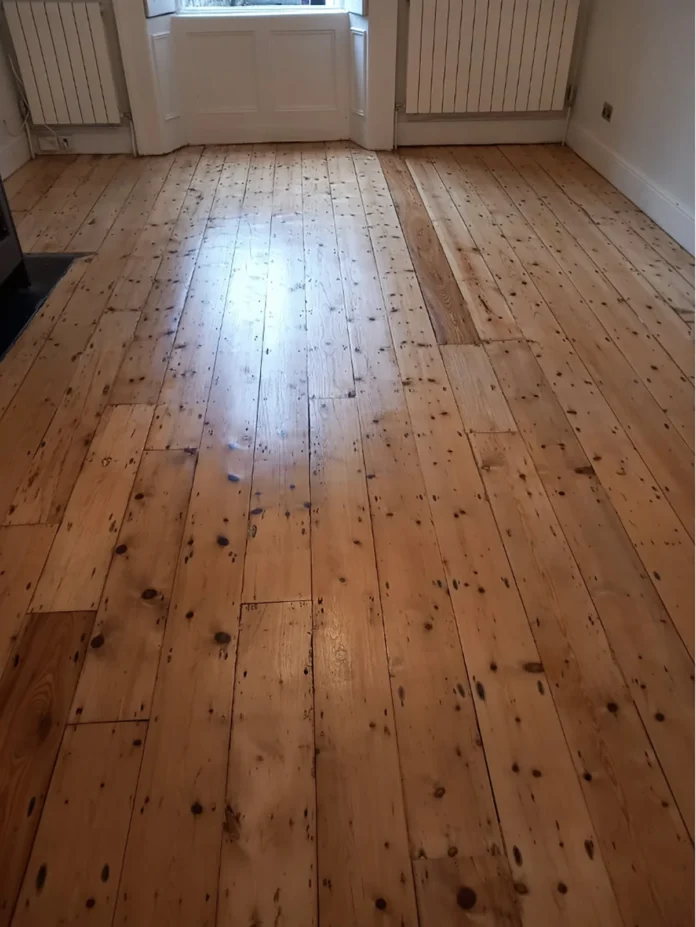
Hardwood floor restoration begins with understanding the value of the timber that already exists beneath carpets and old coverings. Many homes have solid wood floors that were installed decades ago and then hidden away. These boards are usually fully dry and stable, meaning they are unlikely to expand any longer and are perfect candidates for hardwood floor sanding and refinishing.
The restoration process focuses on revealing the natural grain and character of the wood while using breathable finishes that allow natural ventilation. This approach is especially important for older properties where moisture balance matters. Hardwood floor restoration is not about creating a shiny plastic surface but about respecting the original material and enhancing it with subtle protection.
Initial assessment and preparation is the first stage. A professional floor sanding company will inspect the thickness of the boards, the type of timber, and the level of wear. Old nails are countersunk, damaged boards are repaired, and the room is cleared to create a clean working area. Dust containment systems are set up to keep the environment healthy.
This stage sets the foundation for professional floor sanding and ensures the results are even and long lasting. Homeowners searching for floor sanding services in Dublin often value this careful preparation because it prevents unnecessary damage and preserves the authenticity of the floor.
Natural restoration philosophy focuses on finishes that allow the wood to breathe. Water based floor sealers and natural oils are popular because they release minimal odour and dry quickly. They also maintain indoor air quality and support natural ventilation. By avoiding heavy gloss coatings, the floor retains a soft appearance that feels genuine underfoot. This approach aligns with modern expectations for sustainability while delivering timeless aesthetics through wood floor refinishing.
Hardwood Floor Sanding Process Explained
Hardwood floor sanding is the heart of any successful restoration. This step removes surface damage, old varnish, wax, and stains while leveling the boards. The sanding process happens gradually to protect the wood and achieve a smooth finish. First the coarse sanding stage removes deep scratches, uneven edges, and remnants of previous finishes. The sanding machines move steadily along the grain to avoid marks and preserve the natural flow of the timber. Floor sanding at this stage reveals the raw wood and exposes its true colour and texture.
The next stage involves medium sanding to refine the surface. This step smooths out the roughness left behind and prepares the floor for finer work. Corners and edges are carefully sanded by hand or with specialist tools to ensure consistency across the entire room. Local floor sanding companies pay close attention here because uneven edges can affect the final appearance. Dust extraction systems keep the air clean and support healthier working conditions during professional floor sanding.
Fine sanding follows to create a silky smooth surface ready for finishing. This stage enhances the natural grain and opens the pores of the wood, allowing oils and sealers to penetrate effectively. Once sanding is complete, the floor is thoroughly vacuumed and wiped to remove every trace of dust. This careful process ensures that hardwood floor refinishing products bond properly and deliver a uniform result. The floor is now ready for filling, staining, and sealing, marking the transition from preparation to transformation.
Filling Gaps and Preparing the Wood Surface
After sanding, attention turns to filling gaps and imperfections. Old hardwood floors often have small gaps between boards due to natural movement over time. These gaps can be filled using a mixture of fine sanding dust and a flexible filler. This method blends seamlessly with the wood and maintains a natural look. Filling is an essential step in hardwood floor restoration because it improves comfort, prevents draughts, and enhances visual continuity without restricting ventilation.
Once the filler dries, a light sanding pass smooths the surface again. This step ensures the floor feels even underfoot and that the filler integrates perfectly with the surrounding wood. At this stage, the floor begins to show its renewed character. Professional floor sanding teams understand how much filling is appropriate, as overfilling can limit natural movement. The goal is balance, preserving the integrity of the boards while improving appearance.
Surface preparation also includes choosing the right approach for the final look. Floors that aim for a natural aesthetic benefit from subtle textures and visible grain. Over polishing or excessive smoothing can remove character. This is why experienced floor sanding and varnishing specialists adjust their technique based on the age and type of timber. Preparing the surface correctly ensures that subsequent hardwood floor staining or oiling enhances the wood rather than masking it.
Staining and Oiling for a Natural Appearance
Hardwood floor staining is optional but can be used to enhance colour consistency or achieve a classic tone. When restoring old floors, natural looking stains are preferred. Earthy shades and soft neutrals complement the grain and avoid overpowering the room. Glossy or dark stains can hide details and reduce the authentic feel. For a timeless result, classic colours with a matt or ultra matt appearance are recommended. This approach aligns with traditional interiors and modern design alike.
The staining process begins with testing colours on a small area. This ensures the chosen shade interacts well with the specific timber. Once selected, the stain is applied evenly and allowed to penetrate. Excess is wiped away to prevent blotches. Hardwood floor staining requires patience and skill, especially on older boards where grain density can vary. Proper drying time is essential before moving on to sealing or oiling.
Hardwood floor oiling is a popular choice for those seeking breathable finishes. Oils soak into the wood, nourishing it from within and allowing moisture to move naturally. This supports natural ventilation and reduces the risk of trapping humidity. Oiled floors feel warm and natural and are easy to maintain over time. Floor sanding and waxing can also be considered, as wax provides a soft sheen and traditional charm. Both options prioritise authenticity and tactile comfort in wood floor refinishing.
Sealing and Maintaining Restored Hardwood Floors
Sealing is the final step in the restoration process and plays a key role in protection and longevity. Water based floor sealers are widely recommended for natural looking results. They dry quickly, emit low odours, and maintain the colour achieved through sanding and staining. Unlike older solvent finishes, they allow the wood to breathe and support healthy indoor environments. Matt and ultra matt finishes are especially popular because they protect without adding shine.
Application of the sealer happens in thin, even coats. Each coat is allowed to dry fully before the next is applied. Light buffing between coats ensures adhesion and smoothness. Professional floor sanding companies understand how many coats are necessary based on foot traffic and room use. This careful approach ensures durability while preserving the natural feel of the timber. Floor sanding and varnishing with water based products offers a balance of strength and subtlety.
Ongoing maintenance is simple when natural finishes are used. Regular sweeping and gentle cleaning keep the floor looking fresh. Periodic re oiling or recoating extends the life of the surface without the need for heavy sanding again. Homeowners working with floor sanding services in Dublin often appreciate this sustainable approach. By choosing experienced local floor sanding companies, you ensure that your restored floors remain beautiful, breathable, and true to their original character for many years to come.